Visualizzazione post con etichetta under control. Mostra tutti i post

domenica 20 maggio 2012

Occhio Alla SPia!

Alcune indicazioni contro lo spione di turno. Vi ricordiamo sempre di dare sempre una controllata alla vostra casa. Fino a qualche anno fa erano pochi i posti dove controllare se si era spiati. Oggi alle classiche prese elettriche, quadri elettrici, cassettine di derivazione, elettrodomestici e prese telefoniche si sono aggiunte altre minaccie dove il nostro scarafaggio spione può infilarsi. Controllate quindi cm per cm la vostra casa compreso battiscopa, eventuali graffi strani nella vernice di muri, in alcuni casi anche il pavimento se notate alterazioni strane, ed agli oggetti metallici che come ben sappiamo sono conduttori di elettricità e che possono essere usati come componenti in un sistema cablato con il vantaggio di non essere individuabili dalle apparecchiature di bonifica in quanto non trasmettono onde radio. Ecco a voi alcuni metodi usati da chi non si fa i cazzi sua:
I Muri non ci tengono al riparo:
PRISMA e’ basato su una tecnologia che utilizza le onde radio del sistema radar UWB (ultra wide band) e può produrre immagini tridimensionali dei movimenti al di là di un muro, fino a venti metri di distanza. Le immagini raccolte con il sistema sono simili a quelle realizzate grazie agli ultrasuoni, con una risoluzione abbastanza precisa.
L’apparecchio usato già da un pò nel campo militare e nella la lotta dello stato contro le mafie, viene usato anche in campo civile nella ricerca di persone in casi tipo di edifici collassati.
Abilità nel rilevare la posizione in 3D degli occupanti in maniera da indicare se la loro posizione è in piedi, seduti o sdraiati, se stanno salendo o scendendo le scale o se sono su un piano superiore.
Sensibilità anche a piccoli movimenti.
Posizioni di più occupanti.  Penetra nel cemento rinforzato.
Monitoraggio invisibile del PC:
Monitorizza l’attività del vostro computer in tempo reale. Registra la lista di siti visitati e registra tutte le email ricevute e inviate dal vostro pc. Consente o nega il funzionamento di alcuni programmi, ed impedisce anche l’accesso ad alcuni siti.
PC Control è completamente invisibile. Viene installato in pochi secondi sul vostro pc attraverso una penna USB. Attraverso quella penna il vostro spione di turno vi controlla secondo per secondo. Il programma effettua anche aggiornamenti che voi non visualizzerete mai.
Microfoni laser:
Questo metodo di spionaggio consiste in un microfono che funziona trasmettendo un fascio invisibile IR(infrarossi) contro la finestra della vostra stanza. Esso capta le vibrazioni dei discorsi o di qualsiasi cosa dite o fate in casa. Il tutto si trasforma in un fascio che viene ripreso da una ricevente che trasforma le vibrazioni del vetro in segnali elettronici. Il discorso viene filtrato, rilevato e registrato. L’apparecchio è nascosto all’interno di una macchina fotografica Reflex a singolo obiettivo.
La classica CIMICE da auto e casa:
Le dimensioni di questo apparecchio permettono l’occultamento su tutti i veicoli, a prese elettriche BTicino, piccoli elettrodomestici, quadri elettrici e scatole di derivazione. Le su misure non superano in genere i 40mm
Questa microspia può essere controllata a distanza attraverso una chiavetta USB “GSM I-KEY” . Il vostro spione vi ascolterà  e vi registrerà  stando comodamente seduto davanti al suo computer.
Classico telefono Cordless:
In questo caso non c’è bisogno che vi entrino in casa perché la “spia” ce la portate voi stessi acquistando un telefono cordless. I cordless possono facilmente trasmettere le vostre conversazioni a chiunque sia dotato di uno scanner classico come quello in uso da anni nella polizia e che funziona fino a qualche chilometro di distanza. Tali telefoni (ad eccezione di quelli a 900 MHz) trasmettono su una banda tra i 45.00 e 47.00 MHz. Se il cordless è in uso in quel momento nello stesso raggio d’azione dello scanner (che può essere anche ampliato attraverso un’antenna a bassa frequenza) la vostra conversazione telefonica è intercettata.


http://radioazione.noblogs.org/?p=311

lunedì 14 maggio 2012

Olympics-Britain to deploy “sonic gun” at Olympics

By Peter Griffiths
Britain’s military will be armed with a sonic device that can be used as a high-volume loudspeaker or a non-lethal weapon to disperse crowds at this summer’s Olympic Games in London, the defence ministry said on Friday.

The equipment, which can project a piercing sound over hundreds of metres causing physical pain, has been used during protests at the G20 summit in Pittsburgh in 2009 and against pirates operating off the Somali coast.
The Ministry of Defence said it expected to use it primarily in loudspeaker mode to communicate with boats it wants to stop on the River Thames.
Defence chiefs have already caused controversy by announcing plans to put surface-to-air missiles on the top of residential buildings near the Olympics site in east London.
Fighter jets roared over the capital and helicopters were seen hovering over the Houses of Parliament this month during a nine-day military exercise to prepare for Britain’s biggest peacetime security operation.
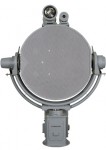
The LRAD (Long Range Acoustic Device), made by U.S. company LRAD Corporation, can be mounted on the side of a ship or on the top of a vehicle. Some versions are roughly the same size and shape as a dustbin lid.
It can generate noises up to around 150 decibels, similar to a gunshot, and has a maximum range of 3 km or 1.8 miles.
The device can also emit a warning alarm that sounds like a police siren and “potentially prevents the use of harmful or deadly force”, LRAD says on its website.
Police and military planners say they are preparing for a range of security threats at the Olympics including protesters trying to disrupt events and attacks using hijacked airliners.
Around 13,500 soldiers will help the police during the Games, which run from July 27 to Aug. 12.
Source: http://www.reuters.com/article/2012/05/11/britain-olympics-sonic-idUSL5E8GBAIX20120511

EU cyber-security legislation on the horizon

By Nikolaj Nielsen

BRUSSELS – The European Commission will propose binding EU legislation before the end of the year to help member states plug huge gaps in their cyber-security defences.

Speaking at a cyber-security debate in Brussels on Thursday (10 May), the commission said ill-equipped member states are totally unprepared for future cyber threats.
“The level of preparedness across the EU is not high-enough,” said Antoaneta Angelova-Krasteva, a commission information security network expert. Angelova-Krasteva voiced alarm at the increasing sophistication of threats and their number. (more on euobserver.com)

EU-funded consortium unveils border-control robot

By Nikolaj Nielsen
An EU-co-financed project is aiming to mass-produce autonomous land vehicles designed to stop irregular migrants.

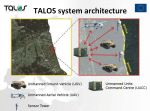
Using a €13 million grant from the European Commission’s research budget and €7 million of private funding, a consortium of researchers and private firms has after four years of work produced a functioning prototype of the “transportable autonomous patrol for land border surveillance” or “Talos.”
The unmanned ground vehicle (UGV) was demonstrated in Poland in mid-April at a military training ground in front of a hundred-or-so people, including officials from Frontex, the EU’s Warsaw-based border control agency, Polish ministers and border guards from around Europe.
The complete system includes two autonomous UGVs, an unmanned command unit and a two manned command centres. Sensor towers are deployed in areas not accessible to UGVs. (more on euobserver.com)

venerdì 11 maggio 2012

München: Kungelrunde europäischer Innenminister während »Blockupy Frankfurt«-Aktionstagen


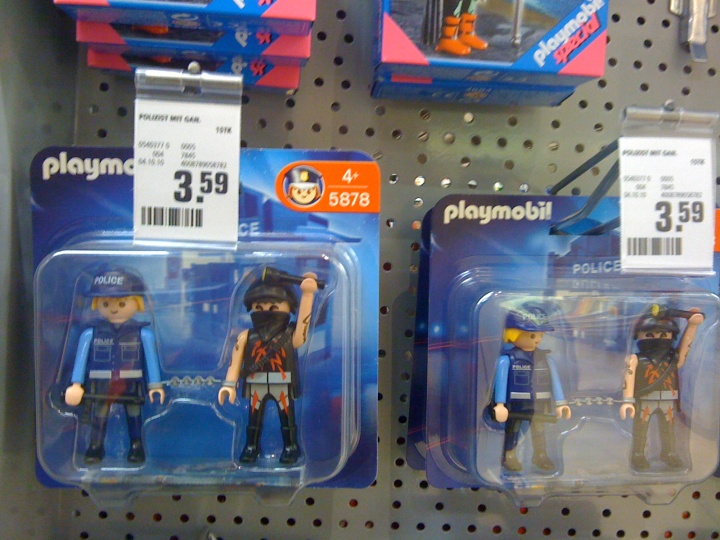
Playmobil Polizist Anarchist
Bundesregierung lädt Innenminister der einwohnerstärksten EU-Staaten zum informellen Plausch. Themen: Migrationsabwehr, Datenaustausch, Sicherheit
In der kommenden Woche wollen sich Innenminister der sechs einwohnerstärksten EU-Mitgliedsstaaten in München treffen. Dies teilte die Bundesregierung in ihrer Antwort auf eine Frage des Abgeordneten Andrej Hunko (Die Linke) mit. Die Zusammenkunft der sogenannten Gruppe der sechs (G6) findet demnach während der »Blockupy Frankfurt«-Aktionstage am 17. und 18. Mai statt. Auf der Tagesordnung stehen Initiativen im Bereich Justiz und Inneres, die gegenwärtig in der Europäischen Union beraten werden. Neben der EU-Kommissarin für Inneres, Cecilia Malmström, sind zudem die Heimatschutzministerin der USA, Janet Napolitano, sowie der für die Justiz zuständige US-Generalbundesanwalt Eric Holder zum Treffen eingeladen.

Zur heutigen »Gruppe der sechs« gehören seit ihrer Gründung 2003 die Regierungen Deutschlands, Frankreichs, Großbritanniens, Italiens und Spaniens. Mit dem EU-Beitritt 2005 wurde auch die Polen Mitglied des Zirkels. Die Initiative zur Einrichtung der G6 geht unter anderem auf den damaligen französischen Innenminister Nicolas Sarkozy zurück. Mehrmals jährlich finden zweitägige Treffen statt. Zu den Aufgaben der jeweils ausrichtenden Regierung gehört auch die Gestaltung der Tagesordnung. Stetig wiederkehrende Themen sind »Sicherheitsfragen«, jedoch vorrangig der internationale polizeiliche Datentausch und die Migrationsabwehr. Auch die Absicherung anstehender Großereignisse, etwa Gipfeltreffen oder Sportevents, wird auf solchen Treffen besprochen.

Die Öffentlichkeit erfährt meist wenig oder nichts über die Inhalte der Treffen. Das Bundesinnenministerium kündigt die Zusammenkunft auf seinem Internetportal nicht einmal an. Die britische Bürgerrechtsorganisation Statewatch übt deshalb heftige Kritik an dem im verborgenen tagenden Zirkel: Es gebe keine Bestimmungen zur Veröffentlichung der Tagesordnung oder von Protokollen. Auch Parlamentarier erhalten keinen Zugang zu den dort verteilten Dokumenten. »Daß gleichzeitig das US-Heimatschutzministerium an Beratungen teilnehmen darf, ist ein Schlag ins Gesicht europäischer und US-amerikanischer Bürgerrechtsaktivisten«, kommentiert der Abgeordnete Hunko.

Das letzte G-6-Treffen fand im Dezember in Paris statt. Nach Angaben von EU-Kommissarin Malmström ist dort auch die »Situation in Griechenland« thematisiert worden. Gemeint sind Maßnahmen, mit denen die G6 Athen zu schärferen Grenzkontrollen zwingen will. Laut der Bundesregierung steht auch in München die »Solidarität beim Außengrenzschutz« auf dem Programm. Dahinter steckt eine deutsch-französische Initiative zur Unterstützung Griechenlands bei der Abschottung der Grenzen. Auch die »Situation in Nordafrika und Syrien« werde in München zur Sprache kommen.

Zudem soll der transatlantische Datentausch intensiviert werden. Dies erklärt die Teilnahme der US-Heimatschutzministerin und des Generalbundesanwalts am Treffen in München. Deren besonderes Interesse gilt der Ausforschung der »Reisebewegungen von Terrornetzwerken«. Die EU will ein System errichten, das solche innereuropäischen Ortsveränderungen protokolliert. Geklärt werden soll, inwiefern die USA Zugriff auf diese riesige neue Datenbank erhalten.

giovedì 10 maggio 2012

Griechenland: Die Neonazis der Chrissi Avgi wurden von ihren faschistischen WählerInnen ins neue griechische Parlament gewählt

 
Eine Übersetzung des auf italienisch Publizierten Artikels.
Hände weg von den Gefährten!
Solidarität mit ihnen und der ihnen vorgeworfenen Verwüstung des Konferenzraumes in Locarno!
Aus lebe die direkte Aktion gegen alle Formen der Unterdrückung und ihre Unterstützer!

————————————————————————–
Tessin: Bullen im Haus von Gefährten für biometrische Daten
Gestern, am Dienstag 17. April, sind beim Wohnort von einigen Gefährten in Vacallo um etwa 07:30, mit einem vom Richter Sonia Giamboni Tommasini unterzeichneten Hausdurchsuchungsbefehl, ein dutzend Bullen aufgetaucht (5 innerhalb des Hauses und die übrigen im Umkreis des Hauses patrouillierend), auf der Suche nach einem Gefährten und einer Gefährtin, um sie in ihre Büros mitzunehmen und von ihnen biometrische Fotos zu nehmen, für die laufende Untersuchung bezüglich der Sachbeschädigungen, die 2009 im Innern des Konferenzsaals des Hotels Pestalozzi in Lugano verursacht wurden, wo die Konferenz von Josè Pinera* hätte stattfinden soll, die folglich anulliert wurde.
Die Bullen haben, nachdem sie das ganze Haus durchsuchten (ohne irgendetwas mitzunehmen) nur einen der beiden Gefährten gefunden, die sie suchten, und legten diesen in Handschellen und führten ihn ab. Die Gefährtin wurde ihrerseits um etwa 8 Uhr Morgens in der Nähe von Lugano von einem Auto und zwei Vans in Zivil von der Polizei abgefangen.
Die Gefährten wurd in zwei getrennte Zellen im Innern der kantonalen Polizeizentrale gebracht, die neben dem Zoll von Chiasso liegt, wo sie dann auf die Abnahme der biometrischen Daten warten mussten. Als der Fotograf der wissenschaftlichen Abteilung ankam, haben sie die Gefährten einzeln und noch immer in Handschellen vor die Kamera gezerrt, wo sie sich jedoch wehrten, indem sie den Kopf gesenkt hielten und die Fotografie mit verschiedenen Bewegungen erschwerten. Aus diesem Grund wurden die Fotos mehrere Mal gemacht, da es ihnen nicht gelang, die biometrischen Daten herauszulesen. Die Bullen versuchten, das Gesicht der Gefährten in der notwendigen Position stillzuhalten, aber auch dies störte die abnahme der Daten. Letztendlich gaben sie sich, da sie nicht anders konnten, mit den gemachten Fotos zufrieden. Am Ende des Morgens wurden der Gefährte und die Gefährtin wieder entlassen.
Einige Anarchisten und Anarchistinnen
———————————————
* “Für den 29. Mai 2009 organisierte die “Associazione dei Liberisti ticinesi” beim “Canvetto luganese” ein Treffen über das Thema der Renten. “Ehren”-Referent sollte Josè Pinera sein. Dieser besetzte das Amt des Ministers für Arbeit und für “soziale Sicherheit” während der Zeit der Militärdiktatur von Augusto Pinochet in Chile, unter welcher eine harte neoliberale Politik eingeführt wurde, die jegliche Form von Sozialstaat zerstörte, angefangen bei den Renten, was vor allem für die schwächsten Schichten der Gesellschaft verheerende Auswirkungen hatte.” nde Auswirkungen hatte.”

Interpol beziffert Schaden durch Cybercrime in Europa auf 750 Milliarden Euro


Der internationalen Polizeiorganisation zufolge verursacht grenzübergreifende Internetkriminalität alleine in Europa jährlich einen Schaden von 750 Milliarden Euro. Die Behörde will nun in die Offensive gehen und verstärkt Jagd auf Kriminelle im Netz machen. Erster Schritt ist ein neues Zentrum in Singapur.

“80 Prozent der im Internet begangenen Kriminalität ist auf grenzüberschreitend tätige organisierte Banden zurückzuführen”, so Interpol-Präsident Khoo Boon Hui zum Auftakt der Europäischen Regionalkonferenz der internationalen Polizeiorganisation in Tel Aviv. Das gehe aus einer Studie der London Metropolitan University hervor. Allein Europa entstehe durch Onlinekriminalität jährlich ein Schaden von rund 750 Milliarden Euro.
“Kriminelle Banden haben inzwischen herausgefunden, dass internationales Cybercrime lukrativer und profitabler ist als andere, riskantere Formen illegaler Geschäfte”, so der Interpol-Chef weiter. Beispielsweise hätten Finanzinstitute in den USA rund 900 Millionen Dollar an Bankräuber verloren, jedoch 12 Milliarden Dollar an Cyberkriminelle. (weiter auf itespresso.de)

Motorola Solutions to show the ultimate public safety vehicle in Dubai

Advanced police car demonstrates the complex, intuitive technology revolutionising public safety including TETRA, TEDS and real-time video streaming over LTE

Motorola Solutions is highlighting its latest innovations at TETRA World Congress 2012 in Dubai next week (14-17 May 2012) including a new TETRA handheld radio series and what it describes as the ‘ultimate patrol vehicle’.
The company says users in the field need solutions that work instantly and intuitively while ensuring their personal safety. Security and safety are at the heart of Motorola’s next generation TETRA (Terrestrial Trunked Radio) solutions. Motorola will unveil a new TETRA handheld radio series that will redefine industry standards in user safety and ease-of-use as well as demonstrate the first public safety LTE device in the region.
In addition to these exciting innovations, Motorola will unveil the ultimate patrol vehicle – the future of policing, which is here today. This fully operational police car demonstrates the possibilities of the latest innovations in TETRA, TETRA Enhanced Data Services (TEDS) and LTE communications technology.
The ultimate patrol vehicle is the result of years of simulation, usability studies and field research and incorporates the latest technologies and integrated controls to enable streamlined decision-making and actions by officers on the street. The car has easy-to-reach controls with key functions tied to single button presses or simple voice commands. Its workstation runs applications such as Automatic Number Plate Recognition (ANPR) and real-time video streaming over LTE and TEDS to empower and protect officers to a level that has never been seen before.
Tom Quirke, vice president and general manager, TETRA Global Organisation, Motorola Solutions, (pictured) said: ‘Motorola conducted years of research together with end users in patrol cars, who have highlighted to us the importance of intuitive technology in incident response. We have learnt that the safety as well as the effectiveness of emergency responders can be significantly improved when critical information is delivered to them in an automatic and intuitive way.
‘In the car environment, this means implementing vehicle controls that are integrated and easy to use – so that actions flow quickly and intuitively, requiring little thought during incident response. The Ultimate Patrol Car at TWC will demonstrate the latest innovations in TETRA, TEDS and LTE in one car to achieve a more secure, intuitive experience for frontline officers.’
Motorola Solutions can be found at Booth G301, Sheikh Rashid Hall, during TWC 2012.
Source: http://www.wireless-mag.com/News/20966/TWC_2012__Motorola_Solutions_to_show_the_ultimate_public_safety_vehicle_in_Dubai

martedì 8 maggio 2012

Inside the surveillance capital of Europe (UK)

From 325 #2 / April 2005
The evolution and spread of the industrial-technological surveillance state in the 7 years since this text was written has been fast-paced and this text is archived here for reference and interest. If an active critique of the totalitarian mechanisms of social control was necessary in 2005, the same critique is even more needed now; against these advancing forms of technical domination and the hierarchical society which demands them. For war against the existent…

-
Britain is full of companies involved in the worst kinds of financial activity, the population is terrorised by government-media campaigns, held captive by aggressive borders, and attacked by violent police who kill with impunity. Behind the ‘democratic’ facade is Empire, enforced by ever more complex means. Every day people are scrutinised under intense surveillance and subjected to the highest levels of consumer propaganda. The authorities are enthusiastic advocates of control technology in all of its guises and have long set the benchmarks for others across the globe. There are an estimated 4.5 million CCTV cameras installed across the country: one per 14 people. This tidal wave of CCTV certainly shows no signs of abating, if anything it is gaining momentum, Britain is on the verge of a Closed-Circuit Television transformation – Companies and researchers are pushing the latest development – Digital, or ‘Smart’ CCTV.
This will enable users of CCTV to store much more data in a more flexible format such as DVD, or on computer hard-disk. Manufacturers claim that software used with the Digital CCTV can also automatically identify street crime, such as vandalism and theft even before it is committed. It is expected to be introduced in parts of the country in the next 12 months, and is being touted as a weapon against terrorism, the usual doublespeak of the bosses. It will be used to protect finance and police the zones of capital, to pursue ‘anti-social behaviour’ and maintain curfew on the excluded. As anarchists we re-assert the diverse world of community; we reject the ‘community’ that the social architects, police, law lords and bosses talk of; it is a consumerist fantasy used to keep people obedient.
On average, each person in the UK is said to be recorded 300 times a day, as end-to-end CCTV security from the borders unfurl. Most, if not all, transport networks are covered by the viewing apparatus of the State. Every city and almost every town centre is covered by cameras operated by local authorities. They view most shops, pubs and cafes, which usually all have their own surveillance systems anyway. Most of the motorways and many roads are covered in cameras, numberplate recognition cameras were introduced in 1997, and many places have cameras which detect speed & road-tax payment automatically. CCTV is said to bring about an average 5 per cent reduction in crime, however a study in 1999 revealed that crime rose 9 per cent and the clear-up rate fell 4 per cent after cameras were installed in Glasgow.
One application of Digital CCTV is ‘Intelligent Pedestrian Surveillance’ (IPS) marketed by IPSOTEK. This image analysis software will alert CCTV operators when a potentially suspicious event occurs. The program was the product of 10 years of research and collaboration between 6 European countries in an EU funded project. IPS technology is connected to a sophisticated pattern recognition programme called ‘Cromatica’, in which CCTV cameras detect unusual activity by recognising patterns pre-programmed into the computer’s memory. The software compares images from each CCTV camera in use, with pictures of the space devoid of any activity, analysing each pixel to pick out those that differ between the two images. People’s movements are reduced to a series of pixels and compared to a pre-defined set of patterns, or ‘algorithms’. Clusters of pixels which could be objects or people are tracked in real time, using computer vision techniques that record and examine patterns of behaviour. There were trials of the software in late 2004, in London’s Mile End underground station and Liverpool St. station. People using these stations were not told about the project. A London Underground spokesperson who oversaw the installation at the stations said: “…this puts it on another plane. It means that you don’t have to look at a screen all of the time,” Indeed it seems likely this is just the beginning, Ken Moore, director of IPSOTEK, said: “This technology will do for CCTV what computers did for accountancy in the Sixties and Seventies.”

IPSOTEK states that its systems are easy to integrate with other biometric technologies (Gait recognition, Facial Geometry recognition. etc.) as well as Smart cards/RF ID. They boast that they can provide a level of surveillance far superior and more cost effective than provided by human operators alone. One of the technical minds behind the company, Sergio Velastin, of Kingston University, London, spent a decade developing the mathematical algorithms for IPS.

Some of the features of IPS are:

Detecting Intrusions – When something enters an area of view that has been pre-defined as ‘off-limits’, the operators are alerted to the unauthorised entry.
Evaluating Density – The software is able to monitor the amount of people, congestion, abnormal pedestrian flows (i.e people walking against the flow of crowd, unusually slow or quick pace etc.).
Abandoned Packages – The system can alert operators to any object that is not defined within its limits.
Loitering – The system can detect people who spend a long time in one camera view, even if fairly active.
‘Abnormal’ Behaviour – Graffiti, vandalism, overcrowding and other ‘suspicious’ behaviour.
If the technology is successful it could begin to end the weakness that has long dogged CCTV, that there are too many cameras and not enough people to keep track of them. In the U.K, with the sheer proliferation of CCTV cameras, they are becoming increasingly difficult to manage. Besides being a tedious task, watching mostly inactive CCTV monitors also demands a higher level of concentration than many people can manage. The IPS system can work with up to 1,024 cameras at once.
In a recent survey of hundreds of U.S. & U.K. security executives, intelligent surveillance / smart CCTV was one of the top items in demand, and many other companies are working on similar technologies. IPSOTEK is involved in Chicago, where trials will be funded by a $5 million grant from the US Department of Homeland Security. Chicago hopes to have the new technology installed by spring 2006, along with 250 state-of-the-art cameras.
IPSOTEK stands to make a lot of money in digital policing. Unless we actively fight against this technology, and attack the companies and individuals behind it, it will only be a matter of time before we have smart CCTV on our streets, in our public places, and working environment. Anyone involved in the management, development or finance of these kinds of control technologies is a target.
Pattern recognition systems, which are vital to digital/smart CCTV, are also key to understanding biometrics analysis, which are typically, computer programs, that recognise, cross-match, classify and cluster information. Biometric technologies are automated methods of identifying individuals based on mass profiling: Fingerprinting; DNA analysis; Speech analysis; Gait recognition; Iris recognition; Facial geometry recognition. Most iris pattern recognition systems are based on software created by John Daugman of Cambridge University. An image of an iris, with all the tiny pits, ridges and strings of tissue that make it unique, is turned into a series of three-dimensional contour maps. This information is compressed into a code of 1′s and 0′s just 2048 digits long. This code can be stored or checked against existing records in databases or smart cards. Iris scans are faster and more accurate than any other computerised means of identifying people, such as fingerprint, face or voice recognition. Getting the public to accept the intrusion of eye scans is critical to the companies behind the technology, and the governments who want to use it. The problem is the sheer number of people to be identified, and the vast amount of IT work involved, plus the ability of the technology itself. There is an upper limit to the reliability of iris scans, there are so many environmental variables: scans can be affected by lighting conditions and body temperature, so much so that a system can fail to match two scans of the same iris taken under different conditions. Even so, according to the UK government, in their recent biometric tests for the national ID project there were no false matches in over two million tests. Not long ago similar claims were made for facial geometry recognition software, which has still to make its mark, due to the limitations of the software.
According to a Hitachi Data Systems survey, 65% of European Information Technology directors wanted iris recognition and finger-print scanning introduced into the workplace in the near future, with most of them wanting the technology implemented within the next two years. 54% of those IT directors expected staff to resist the introduction.
All governments are constantly looking at better identification systems to monitor all physical and virtual territory, they want to control and survey all migration, all phone access, all internet. Technologically controlled societies formed under the pretext of fighting terror, illegal immigration and drug-dealing.
The authorities view biometrics as crucial to track and maintain a hold on their citizens movements and activities, through immense databases of credit history, biological profile, and social security. In the UK and across the whole of Europe, State/Capital is pushing for Identity Smart Cards. Smart cards are similar to existing credit cards, except they have an inbuilt computer chip, which has the ability to store and manipulate large amounts of data. In an ID system that combines smart card and biometric technologies, a stored biometric template (Iris, DNA) is compared to the ‘live’ image and/or the ‘enrolled’ image captured when the subject was first processed in the system. Frequently smart cards are contactless, and can interact intelligently with readers up to 10 metres away. This kind of wireless technology, known as RF ID, Wi-Fi or Bluetooth uses short-range signals which allow electronic devices to communicate with each other.
RF ID is a technology developed by a group of electronics manufacturers that allows any sort of electronic equipment to make its own connections without wires, cables or any direct interaction with a user. RF ID devices use a technique called spread-spectrum frequency hopping to prevent interference, and by sending out very weak signals of 1 milliwatt. To compare, a mobile phone can transmit a signal of 3 watts. A RF ID device will use 79 individual, randomly chosen frequencies 1,600 times every second, meaning that a lot of devices can make use of a limited slice of the radio spectrum. This technology has the capacity to completely change our living environments. The convergence of these three types of technology – RF ID, Biometrics, Smart Cards – is like the push for the – Phone, Camera, Email device- It’s all about multi-functionality, miniaturization and flexibility – the companies behind it are envisaging totally integrated global consumer environments, with user profiling and the whole range of social control and domestication applications.
Many RF ID gadgets are open to wireless hacking. There are software tools available and in development, that allow data to be stolen through the air from laptops, mobile phones, PDA’s and even smart cards. A person can use the programs to identify nearby devices that use wireless protocol.
A virus that spreads from one cell phone to another has been created by a security group called 29.a, it transmits itself to phones that have a Bluetooth connection. Unlike most computer worms, it does not exploit a vulnerability in the operating system, it exploits the way the phone is supposed to work. Bluetooth transceivers automatically contact each other when they come into range, and the operating system is designed so that files can be exchanged over the Bluetooth connection. A combination of Bluetooth connections and increasingly sophisticated cell phone software could eventually lead to a good environment for malicious phone viruses capable of bugging calls and deleting the phonebooks, calendars and diaries stored on smart phones. Because it is possible to manipulate the networks of the convergence technologies in this way, groups and individuals will still be able to subvert the system. Using traditional techniques and sophisticated cracking/cloning measures, the black market in identities will survive.
Unless an individual has been identified by the authorities as a threat, surveillance technologies are no help. They are more devices for social control, they let a government & corporation track you and know more about you.
They will not stop the fascists or fanatics, those who blow up trains or carry out other horrific attacks against working class people, the addicts of right-wing ideologies who think human beings dispensable to the force of history. These people have more in common with our authoritarian overseers than they ever could anarchists.
We are not data for machines. Our social environment does not require the ordering, organizing, coercive force. These technologies are yet another aspect of automated capitalist repression, of the absolute negation of self-management, of self-reliance, of autonomy. We are not merely the flows of finance. We refuse to be processed, or submit to the authority of the digital. We are a statistic that cannot be compiled, we reject this consumer society of inhuman values and quantified poverty. We do not want this technology extending into all areas of our societies. We can come up with viable alternatives to endless surveillance, incarceration and inhumanity, we can stop this cycle of degradation and prison.
Clearly, that solution is to destroy this capitalist system of competition and property, straight away.
Against the Control Software – Against Biometrics & Surveillance


http://325.nostate.net/?p=5160#more-5160

lunedì 7 maggio 2012

EuroGendFor - La gendarmeria europea contro sommosse e guerriglia urbana

Qualche accenno a EuroGendFor, la milizia europea antirivolta in completa continuità con UO2020.

fonte: http://uhupardo.wordpress.com/2012/03/16eurogendfor-die-privatarmee-der-eu-bereit-zum-abmarsch-nach-griechenland | trad. elaborata da tuttouno.blogspot.it


EuroGendFor. L'esercito privato della UE è in procinto di partire per la Grecia.
Non tutti conoscono questa unità segreta che risponde al nome di «EuroGendFor». Il quartier generale di questa speciale task force di 3000 uomini si trova a Vicenza, Italia. L'ex ministro della Difesa francese Alliot-Marie ha iniziato la formazione di questa truppa, dopo le sempre più comuni forme di battaglie di strada e saccheggi provocati da giovani in Francia. L'«EuroGendFor» è allo stesso tempo, polizia, polizia giudiziaria, esercito e servizi segreti. Le competenze di questa unità sono praticamente illimitate. Essa deve, in stretta collaborazione con i militari europei, garantire la "la sicurezza nei territori di crisi europei". Il suo compito è principalmente quello di sopprimere le rivolte. Sempre di più Stati membri dell'Unione Europea aderiscono al «EuroGendFor»

I governi europei sanno esattamente cosa li attende. Per evitare di dover usare i propri eserciti contro i cittadini del loro stesso paese, possono ricorrere alle truppe paramilitari di questa "Forza di Gendarmeria Europea" (FEG), fondata in segreto, senza clamore. In teoria, si può ricorrere alla FEG ovunque vi sia una crisi. E' ben stabilito nel Trattato di Velsen che regola gli interventi dell'EuroGendFor.
Il suo motto motto è il seguente: "Lex paciferat" - che può essere tradotto come: "La legge porterà la pace". Si sottolinea "il principio della stretta relazione tra l'imposizione dei principi giuridici e la restaurazione di un ambiente sicuro e protetto." Un "consiglio di guerra" sotto forma di un comitato interministeriale composto dai ministri della Difesa e la Sicurezza dei paesi membri dell'Unione europea partecipanti, decide la strategia di intervento. La truppa può essere attivata su richiesta o dopo decisione dell'UE

All'articolo 4 del Trattato Costitutivo sui compiti e gli impegni si legge: "È possibile ricorrere alla FEG per proteggere le persone e i beni e mantenere l'ordine." I soldati di questa unita' paramilitare dell'Unione europea devono rispettare la legge vigente dello Stato in cui operano e dove vengono stanziati, ma tutti gli edifici e tutti i terreni che vengono occupati dalle truppe divengono extraterritoriali e non sono più accessibili dalle stesse autorità dello Stato in cui operano. Il mostro dell'Unione europea abroga inoltre il diritto nazionale anche in caso di antisommossa.

L'«EuroGendFor» è una truppa di polizia paramilitare e servizi segreti in grado di operare rapidamente. Unisce tutti i poteri e i mezzi militari, di polizia e di intelligence che possono anche essere utilizzati come semplici consulenti dalle dalle forze di polizia nazionali e dall'esercito, dopo essere stati incaricati da un'unità di crisi interministeriale per contrastare rivolte, ecc. Il ministero federale tedesco della Difesa ha elogiato l’EuroGendFor sui propri siti web, scrivendo: "Polizia e esercito. Una gendarmeria europea promette la soluzione".

L’EuroGendFor è ancora quasi completamente sconosciuto e nell'ombra. Ma non rimarrà a lungo tale. Più i popoli, dalla povertà e dalla politica di gestione disperata della crisi, verranno spinti all'ammutinamento, più queste truppe dai poteri praticamente illimitati saranno chiamate a "regolare" la situazione. E i capi di stato europei si renderanno conto con gratitudine che non saranno stati obbligati ad usare le proprie forze di polizia e dell'esercito contro i propri cittadini.


Il trattato di Velsen
18 ottobre 2007
TRATTATOTra il Regno di Spagna, la Repubblica Francese,la Repubblica Italiana, il Regno dei Paesi Bassi e la Repubblica Portoghese,per l'istituzione della Forza di Gendarmeria EuropeaEUROGENDFOR Il Regno di Spagna,la Repubblica Francese,la Repubblica Italiana,il Regno dei Paesi Bassiela Repubblica Portoghese
Leggere il trattato qui:
http://www.scribd.com/doc/78323752/Trattato-di-Velsen-2007

Altre informazioni:
http://tuttouno.blogspot.com/2012/03/mes-eurogendfor-nwo-si-salvi-chi-puo.html

Sensori a terahertz - Nuove frontiere di sorveglianza

Una notizia veicolata con la consueta atrofia critica dei media di regime, che tratteggia nuove frontiere di sorveglianza tecnologica e soprattutto nuovi canali di assuefazione alla presenza di determinati strumenti di controllo: qualora questi sensori venissero installati come gadget negli smartphone, chi si scandalizzarebbe se lo sbirro di turno ce l'avvesse più grosso...

fonte: repubblica


Il telefonino potrà vedere oltre i muri
in arrivo i sensori a terahertz

Sviluppata una tecnologia basata su uno spettro elettromagnetico non utilizzato, che permette di creare occhi elettronici in grado di superare gli ostacoli. Illimitate applicazioni possibili in campo civile, militare e medico. Ma non mancano i rischi

IN TEMPI BREVI, la visione oltre gli ostacoli potrebber diventare realtà. Addirittura per i telefonini, anzi soprattutto. All'Università di Dallas, un team di ricerca capitanato dal professor Kenneth O, sta conducendo esperimenti soddisfacenti con una zona non utilizzata dello spettro elettromagnetico e nuove tecnologie ottiche. E quello che ne è venuto fuori è un microchip in grado rendere gli smartphone capaci di visualizzare cosa c'è oltre un ostacolo solido.
Supervista. Che si tratti di un muro o una superficie di legno, carta, plastica non importa. Dice il professor O: "Abbiamo utilizzato le frequenze dei terahertz, uno spettro non esplorato e dal potenziale infinito". La ricerca è stata condotta con l'intento di ridurre le parti meccaniche necessarie per creare immagini con le onde nei terahertz. E sta producendo una tecnologia che potrebbe sì mettere in grado gli smartphone di vedere oltre gli ostacoli, ma anche consentire la produzione di dispositivi per uso medico e civile. Lo spettro dei terahertz offre nuove possibilità di espansione anche per le comunicazioni, offrendo banda libera per il wireless, e probabilmente trasmissioni più veloci.
Possibilità e pericoli. La ricezione delle onde terahertz unita alla nota e esploratissima tecnologia dei sensori Cmos, potrebbe portare queste capacità all'interno di una serie lunghissima di apparecchi. Che in mani sbagliate potrebbero diventare strumenti molto pericolosi. Per questo la ricerca al momento limita la distanza di "supervista" a pochi centimetri, ma certamente il limite è imposto e non assoluto. Immaginare scenari di uso militare per il super occhio del professor O è scontato. Ma è chiaro che i possibili usi concreti nella vita di tutti i giorni per persone e aziende sarebbero numerosissimi e al momento solo vagamente intuibili. Ogni settore avrebbe la sua applicazione, dall'energia ai trasporti, dall'intrattenimento all'economia alla profilassi medica. Verrebbe superato uno dei limiti congeniti dell'uomo, con un microchip in grado di entrare in un cellulare. E forse, quei fantomatici occhiali a raggi X pubblicizzati sui giornali negli anni 70, potrebbero trovare una versione contemporanea e ultraperformante grazie al lavoro della squadra del professor O.

http://www.informa-azione.info/sensori_a_terahertz_nuove_frontiere_di_sorveglianza

IBM packages crime-fighting, big data analytics

Michael Cooney
Security software will allow for rapid data collection, analysis and warehousing, IBM says
FRAMINGHAM, Mass. — IBM last week came out with its first iteration of the analytics software package that it expects will help law enforcement, government agencies and private businesses wade through the massive amounts of data they collect to help them predict, disrupt and prevent criminal, terrorist and fraudulent activities.
The package, IBM i2 Intelligence Analysis portfolio, is based on the security software it picked up last year when it bought i2. Law enforcement agencies and corporate security departments use i2′s software to pinpoint fraudulent or improper activity within their logs of operational data. The company’s Analyst’s Notebook digital forensic software can display a visual diagram of people, places or other entities, showing how different parties are linked.
According to an IDG New Service report at the time of the buy, i2 had more than 4,500 customers across 150 countries. (more on itworldcanada.com)

venerdì 4 maggio 2012

Eurorepressione - Sulla conferenza a Den Haag sul tema "Anarchia"

fonte: http://outofcontrol.blogsport.de/

‟Sciogliere servizi segreti e polizia” – Anarchy in the EU!
25. April 2012

Se­con­do un pro­to­col­lo di un grup­po di la­voro del con­siglio dell‘Unio­ne Eu­ropea de­no­mi­na­to “Ter­ro­ris­mo”, la po­li­zia eu­ropea Eu­ro­pol sta or­ga­niz­zan­do una con­fe­ren­za a Den Haag sul tema An­ar­chia. In se­gui­to alle poche in­for­ma­zio­ni a ri­guar­do si può con­clu­de­re che ques­ta con­fe­ren­za è un ul­te­rio­re passo verso la com­ples­si­va re­pres­sio­ne di di­ver­si mo­v­i­men­ti so­cia­li, come quel­li con­tro l‘en­er­gia nu­clea­re, o le lotte con­tro il col­le­ga­men­to del treno ad alta ve­lo­cità (TAV) da To­ri­no a Lione cosi come
le lotte di altri grup­pi im­pegna­ti nella tu­te­la dei di­rit­ti umani e dei ri­fu­gia­ti.
La le­git­ti­ma re­sis­ten­za con­tro gran­di pro­get­ti senza senso, tec­no­lo­gie pe­ri­co­lo­se e dis­fun­zio­ni so­cia­li dov­reb­be sci­vo­la­re, con la con­fe­ren­za, sul focus di al­cuni fa­na­ti­ci della si­cu­rez­za sotto gli app­un­ti “Rete di tras­por­to fer­ro­vi­a­ria”, “Rete No-​Bor­der” e espli­ci­t­amen­te anche con­tro la Fe­dera­zio­ne An­archi­ca Ita­li­a­na (F.A.I.). Ques­to si adat­ter­eb­be per­fett­a­men­te alla po­li­ti­ca dei go­ver­ni e della loro po­li­zia che ri­pe­tu­t­amen­te af­fer­ma­no come i ma­ni­fest­an­ti met­ta­no in conto la morte di altri in­di­vi­dui e per ques­to dov­reb­be­ro es­se­re ca­te­go­riz­za­ti come “Ter­ro­ris­ti”.
Al con­tra­rio sono semp­re loro con la vio­len­za delle armi o con i loro me­to­di ter­ro­ris­ti a met­te­re in pe­ri­co­lo la vita di per­so­ne im­pegna­te. Es­em­pi re­cen­ti sono l‘at­ti­vis­ta No-​TAV Luca che at­tra­ver­so un‘azio­ne della po­li­zia ha ri­sch­ia­to la vita ca­den­do da una gran­de al­tez­za o il gio­va­ne uomo che du­ran­te lo scio­pe­ro ge­ne­ra­le spa­gno­lo con­tro la po­li­ti­ca ca­pi­ta­lis­ti­ca della crisi ha ri­ce­vu­to un pal­lot­to­la di gomma sulla testa.
Anche la po­li­zia fe­dera­le te­de­sca (BKA) pa­ri­fi­ca l‘at­ti­vis­mo di si­nis­tra con un pres­un­to mi­li­tan­te an­ar­chis­mo. Con frasi come “L‘eu­ro­peiz­zazio­ne della scena an­archi­ca” ven­go­no le­git­ti­ma­ti me­to­di di spio­nag­gio e una aper­ta re­pres­sio­ne. Gli at­ti­vis­ti e le at­ti­vis­te del tras­por­to Cas­tor o dei camp No-​Bor­der ven­go­no dif­fa­ma­ti aper­t­a­men­te at­tra­ver­so pa­ro­le di batta­glia come “Eu­r­o­an­archi­ci” o mi­li­tan­ti di es­tre­ma si­nis­tra o ter­ro­ris­ti.
Anche il ser­vi­zio segre­to dell‘Unio­ne eu­ropea Sit­cen si oc­cupa di an­ar­chis­mo. Nell‘ot­tob­re del 2011 il ser­vi­zio ha re­det­to una stima della si­tua­zio­ne per la quale anche l‘uf­fi­cio fe­dera­le te­des­co per la pro­te­zio­ne della co­sti­tu­zio­ne fornì un cont­ri­bu­to.
Pres­so Eu­ro­pol ven­go­no pubb­li­ca­te an­nual­men­te di­ver­se no­zio­ni su “Ter­ro­rism si­tua­ti­on and trend re­port”. Tra i temi sup­por­ta­ti dagli es­tre­mis­ti an­archi­ci con­ta­no perciò l‘an­ti-​ca­pi­ta­lis­mo, an­ti-​mi­li­ta­ris­mo, an­ti-​fa­scis­mo e la cam­pa­gna No Bor­ders.
Le os­ser­va­zio­ni sul “Ter­ro­ris­mo” e sull‘“Es­tre­mis­mo” ven­go­no rac­col­te da Eu­ro­pol in un suc­ces­si­vo file (AWF) “Dol­phin” che in parte poss­o­no con­te­ne­re dos­sier cor­ret­ti su per­so­ne, og­get­ti o grup­pi. Se­con­do il go­ver­no fe­dera­le te­des­co l‘in­con­tro sull‘ “An­ar­chis­mo” av­vie­ne il 25.​04. nell‘am­bi­to di un in­vi­to ai 20 stati mem­bri dell AWF “Dol­phin”. Tut­ta­via non solo at­tra­ver­so la lista nel “Dol­phin”-​Dos­sier ven­go­no cri­mi­na­liz­za­ti at­ti­vis­ti po­li­ti­ci. A mag­gio i ric­chi AWF file dov­reb­be­ro es­se­re ri­s­t­rut­tu­ra­ti e d‘ora in poi ri­con­dot­ti sotto le pa­ro­le d‘or­di­ne “Cri­mi­na­lità or­ga­niz­za­ta” e “Ter­ro­ris­mo”.
“L‘eu­ro-​an­ar­chis­mo” è di­v­en­ta­to un con­cet­to com­ples­si­vo per uno spia­ce­vo­le im­peg­no po­li­ti­co in­ter­na­zio­na­le di si­nis­tra. L‘an­ar­chis­mo è in­tan­to una po­si­zio­ne po­li­ti­ca che ri­fi­u­ta ogni do­mi­nio di es­se­re umani su altri es­se­re umani e qual­sia­si forma di ge­rar­chia come forma di op­pres­sio­ne della li­bertà col­let­ti­va e in­di­vi­dua­le. Un at­teg­gi­a­men­to posto per la li­bertà, l‘au­to­de­ter­mi­na­zio­ne e l‘eguagli­an­za così come per la rea­liz­zazio­ne pro­pria degli in­di­vi­dui e per il rap­por­to so­li­da­le degli es­se­ri umani fra di loro, dov­reb­be in­cor­re­re in realtà, in un pro­get­to li­ber­ta­rio, che in te­o­ria dov­reb­be es­se­re l‘Unio­ne eu­ropea, al ris­pet­to. Nella le­git­ti­ma re­sis­ten­za con­tro reti di tras­por­to fer­ro­vi­a­rie o con­tro tras­por­ti fer­ro­vi­a­ri,così come con­tro le at­ti­vità omi­ci­da di FRON­TEX e la dif­fa­ma­zio­ne ideo­lo­gi­ca-​mo­ti­va­ta dell‘An­ar­chis­mo ve­dia­mo però so­la­men­te un ri­sul­t­a­to di un‘in­com­pa­ti­bi­lità fra Stato e li­bertà.


http://www.informa-azione.info/eurorepressione_sulla_conferenza_a_den_haag_sul_tema_quotanarchiaquot

Die Zukunft von Europol: „Echte Einsätze, Tatort, Razzien und Beschlagnahmungen“

Matthias Monroy
Wie die Grenzschutzagentur Frontex will auch die EU-Polizeiagentur Europol mehr operative Kompetenzen. Im November legt die Kommission deshalb einen Vorschlag für eine neue Rechtsordnung vor: Datensammlungen werden ausgebaut, Tätigkeitsgebiete und Kompetenzen erweitert. Die gleichzeitige Ausweitung der parlamentarischen Kontrolle bleibt vermutlich marginal.
Die Schaffung von Europol wurde 1992 im Vertrag von Maastricht als „Europäisches Polizeiamt“ mit Sitz in Den Haag festgeschrieben. Vorausgegangen war ein Vorschlag Deutschlands im Europäischen Rat aus dem Jahr 1991, eine „Europäische Kriminalpolizeiliche Zentralstelle“ zu errichten, um grenzüberschreitende Kooperationen zu vereinfachen. Als Priorität galten damals die Koordination und der Informationsaustausch unter europäischen Polizeien. Bis zur Ausgestaltung und Annahme eines Europol-Übereinkommens 1999 widmete sich Europol allerdings lediglich der Rauschgiftkriminalität und Geldwäsche. Erst danach kamen mit „Aufklärung“ und Entsendung von „Spezialisten“ mehr Kompetenzen hinzu. Das Aufgabengebiet wandelte sich zu neuen Formen grenzüberschreitender Straftaten, darunter die Fälschung der neuen Euro-Währung und Kreditkarten, Geldwäsche, Wirtschaftskriminalität und Korruption, Umweltkriminalität, Schutzgelderpressung, KFZ-Kriminalität oder Produktpiraterie. Auch Kriminalitätsforschung und grenzüberschreitende Aus- und Fortbildung gehören seitdem zum Repertoire. Nach 9/11 geriet der „Kampf gegen Terrorismus“ und seiner Finanzierung zum neuen zentralen Arbeitsbereich der Behörde. Continue reading “Die Zukunft von Europol: „Echte Einsätze, Tatort, Razzien und Beschlagnahmungen“”

Wie die Rüstungskonzerne am Cyberkrieg verdienen

Kalter Krieg im Internet: Immer häufiger registriert die Nato Computer-Angriffe aus China und Russland. Sicherheitsexperten warnen vor verheerenden Folgen. Nur die Rüstungsindustrie dürfte frohlocken. Von Andre Tauber und Gesche Wüpper
Achtung! Spione hören mit! Viele Vorstandschefs, Politiker und Militärs achten mittlerweile sehr genau darauf, was sie am Mobiltelefon besprechen und was sie besser vertraulich bereden. Ihre Redelust könnte eine Applikation steigern, die Cassidian, die Rüstungs- und Sicherheitstochter von EADS, für Smartphones entwickelt hat.
Moseo heißt das Programm und ist kinderleicht zu verstehen. Leuchtet auf dem Display die Farbe Rot auf, sollten Nutzer besser interne Informationen für sich behalten. Bei der Farbe Grün ist die Verbindung sicher und Lauscher sollten keine Chance haben.
In Programme wie Moseo setzt Cassidian große Hoffnungen. Das Unternehmen, derzeit vor allem als Hersteller des Kampfflugzeugs Eurofighter bekannt, investiert intensiv in eine Sparte zur Bekämpfung von Cyberkriminalität. (weiter auf welt.de)

EU seeks US help to fight cyber criminals

By Nikolaj Nielsen The EU wants to work closer with the United States’ department of Homeland Security and the FBI to help plug gaps on protection against cyber crime – a sector worth €388 billion a year in illegal revenue worldwide.

“To overcome this growing global threat, EU-US cooperation is not a choice, but a necessity,” EU home affairs commissioner Cecilia Malmstrom told US officials and policy experts at the Center for Strategic and International Studies (CSIS) in Washington on Wednesday (2 May).
“I am convinced that in the coming months and years we will be able to report back to our citizens on many more successful joint operations between FBI and Europol,” she added, citing an EU-US working group, launched in November 2010, on cyber-security and cyber crime as an example. (more on euobserver.com)

Israeli military to keep tabs on Facebook, Twitter

Israel is the latest country to turn your Facebook posts and Twitter feed into a matter of state security by launching a new military-run internet information monitoring system.

Israel’s chief military censor Col. Sima Vaknin-Gil said the system will keep tabs on social networks such as Facebook and Twitter, Haaretz reports. The system will also monitor blogs and traditional news sites.
Relying on pre-determined key words, Gil told the Digit 2012 conference the system will zoom in on information once difficult to obtain.
“I think that you can’t try to catch everything,” she said, “because that will make the censor lose its relevance, and furthermore – its morality,” the daily cites her as saying. (more on rt.com)

Belgique : Nouveau système de "bracelet" de surveillance

Le SPF Justice veut lancer d’ici la fin 2012, un système de surveillance de justiciables par GPS. L’objectif serait de couvrir, via ce système, entre 5 et 10% des détentions préventives et de réduire ainsi la surpopulation carcérale. Un budget d’un million d’euros a été programmé pour couvrir les frais de monitoring et de personnel ainsi que 500.000 euros pour l’achat d’un nouveau logiciel, qui doit permettre d’améliorer la gestion de la surveillance électronique classique.
Le principe de cette surveillance : le prévenu est équipé d’un boîtier inviolable et est surveillé en permanence grâce au système GPS/ antennes GSM. Au 1er mars dernier, près d’un détenu sur trois (31,7%) était en détention préventive soit 3.525 personnes sur un total de 11.109 détenus.

http://www.secoursrouge.org/Belgique-Nouveau-systeme-de

martedì 1 maggio 2012

Se extiende el control: la seguridad privada tendrá acceso a nuestros datos personales

“Cuéntame que el paro / cuéntame que el hambre / cuéntame cien mil al mes
cuéntame que llueve / sabes que vas a comer / por dar hostias a la gente
sabes para quien trabajas / tus lágrimas las compras / en las rebajas"
"Era un hombre y ahora es poli” – La Polla Récords.
En estos tiempos en que todo se privatiza, que la frontera entre lo público y lo privado resulta cada vez más difusa, incluso en lo que afecta a la policía y la “seguridad”.
Hace unos días, el director general de la policía, Ignacio Cosidó presentaba el plan integral de Colaboración entre la Policía Nacional y la Seguridad Privada. Con la ya gastada excusa de la crisis, el plan pretende recabar información de la seguridad privada que “serán procesadas e integradas en la inteligencia policial y, en función de su colaboración, la Policía Nacional les suministrará también los datos que puedan ser útiles para garantizar la seguridad”; más claro: la policía entregará datos personales a empresas a cambio de su colaboración. Tras explicar que esta colaboración no implicará cesión de datos personales, Cosidó puso un ejemplo de la colaboración que dejaba muy claro que sí lo habría. “El Corte Inglés, por ejemplo, si retiene a alguna persona por hurto o robo, podrá pedir información sobre sus antecedentes policiales”. Los antecedentes policiales, por cierto, son únicamente los datos con los que cuenta la policía a raíz de sus intervenciones. Que alguien tenga antecedentes policiales lo único que significa es que las fuerzas de seguridad del Estado le han identificado, espiado o detenido. A raíz de esa actuación, esa persona puede acabar siendo enjuiciada ante un/a juez y, en función de si la sentencia es condenatoria o no, ese alguien acabará teniendo antecedentes penales o no, según los casos.
Lo que no nos explicó el director de la Policía es cómo iban a evitar que esos datos no fuesen usados en selección de personal de esas mismas empresas o de otras a las que se le puedan vender los ficheros que la policía ponga a su disposición. No resulta descabellado pensar que EULEN, una empresa con más de 50.000 empleados/as en España, que se dedica, entre otras cosas, a selección de personal y que cuenta con una ETT, utilice los datos obtenidos por su empresa de seguridad para elegir a sus empleados/as. El valor que esos datos pueden tener para una empresa es incalculable: les permitiría saber si un candidato a un puesto de trabajo ha sido identificado en alguna manifestación o conflicto laboral, si ha sido detenido en el contexto de una huelga… Además estos datos pueden ir a parar a empresas como Prosegur, fundada por el promotor del grupo paramilitar fascista argentino Triple A, responsable de cientos de asesinatos contra militantes de izquierdas, o Levantina de Seguridad, presidida por el responsable del partido ultraderechista España 2000 (y de la asociación española de prostíbulos).
Una muestra de cómo las empresas espían a su plantilla lo podemos ver en la investigación que se está llevando a cabo en Francia contra Ikea, en un caso en el que la multinacional sueca había firmado un convenio de colaboración con una agencia de seguridad privada para que, por ochenta euros por consulta, les proporcionara información sobre la ideología, los antecedentes policiales, el consumo de drogas y otros datos personales de sus trabajadores/as y de clientes que hubiesen puesto reclamaciones a la empresa.
En Catalunya, el Conseller d´Interior Felip Puig (célebre por haber ordenado las recientes cargas contra manifestaciones y acampadas), han dado un paso más en la extensión del ámbito de actuación de la seguridad privada proponiendo que asuman tareas policiales como la vigilancia de las cárceles, realización de controles de alcoholemia y actuación conjunta con los Mossos d’Esquadra. Para facilitar el trabajo de estas fuerzas parapoliciales, el Parlament ha aprobado recientemente el reconocimiento como autoridad a los vigilantes de seguridad del transporte público y el conseller ha sugerido que se haga extensivo a todos los vigilantes cuando colaboren con la administración. En un momento en el que ejércitos privados hacen la guerra (la empresa Blackwater tiene tropas de mercenarios/as en Irak y Afganistán) y en el que empresas de espionaje como Stratfor son contratadas por todos los gobiernos del mundo (como así desveló recientemente Wikileaks), no sorprende que la seguridad privada se haga cada vez con mayor poder y con acceso cada vez más libre a recursos públicos.
Aunque nos vendan esta medida como una forma de combatir la crisis y ahorrar dinero público, podemos quedarnos tranquilos/as: el gasto en represión es la única partida en la que no se han realizado recortes. Así, mientras se congelan las oposiciones de empleados/as públicos/as, las plazas para los cuerpos de seguridad siguen aumentando, y cuando en los colegios públicos no hay calefacción la Guardia Civil gasta un millón y medio de euros en gases lacrimógenos.
¿Acabarán por ser consideradas las empresas de seguridad como autoridades públicas (como lo son jueces y policías) y que cualquier ofensa contra ellas se pueda considerar un atentado a la autoridad?

sabato 28 aprile 2012

60 Jahre sind genug! - Die eigenen Daten kollektiv zurückholen! sticky icon

2011 feiert das Bundeskriminalamt sein 60jähriges Bestehen. Diesen Anlass wollen wir nutzen, um uns kollektiv einen Einblick in die Arbeit des BKA zu verschaffen. Deshalb rufen wir mit der Kampagne dazu auf, an insgesamt 3 Aktionswochenenden gemeinsam Auskunftsersuchen zu stellen.
Mit den Aktionstagen wollen wir die Kontrolle über die eigenen Daten zurückfordern und dem BKA zum Geburtstag klarmachen, dass wir seine Präventionsfantasien nicht teilen, seine Geheimniskrämerei satt haben und auch nicht wollen, dass es sich weiter neue Beschäftigungsfelder erschließt.

http://datarecollective.net/node/34